
The solar panel government scheme is designed to encourage households to adopt clean, renewable energy. The government introduced this program to:
This subsidy is issued under MNRE and focuses primarily on residential rooftop solar systems. It is a way for homeowners to invest in solar power for home with partial financial support from the government.
Not all systems and properties qualify for the solar installation subsidy. Residential, on-grid, owner-occupied rooftops are eligible, while commercial and industrial properties do not receive direct financial support. This distinction ensures expectations are clear from the start.
For residential homes, the subsidy applies to systems installed on individual rooftops that are connected to the electricity board. Commercial and industrial properties can explore other financial incentives, but they do not fall under this subsidy. Knowing this early helps homeowners plan the right system for their property without confusion.
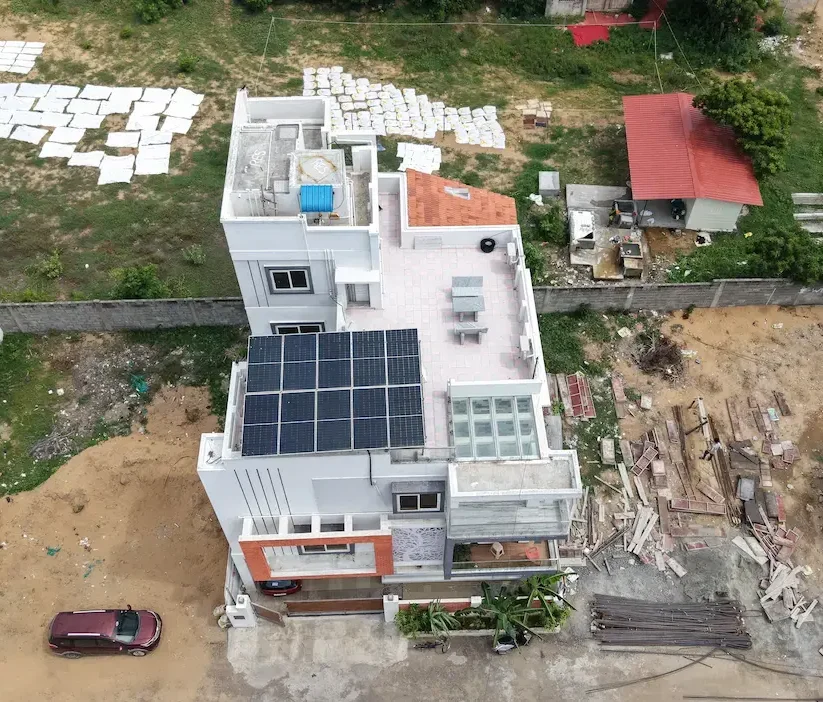
The government subsidies for solar panels in domestic homes are meant for fully functional, grid-connected systems. Off-grid or hybrid setups, even if installed for partial backup, are not included. This ensures that the subsidy supports practical systems that reduce household electricity bills effectively.
Eligible |
Not Eligible |
|---|---|
|
Residential on-grid rooftop solar systems |
Off-grid solar systems |
|
Systems connected to the electricity board |
Hybrid solar systems with batteries |
|
Systems installed through approved MNRE processes |
Systems installed only for backup purposes |
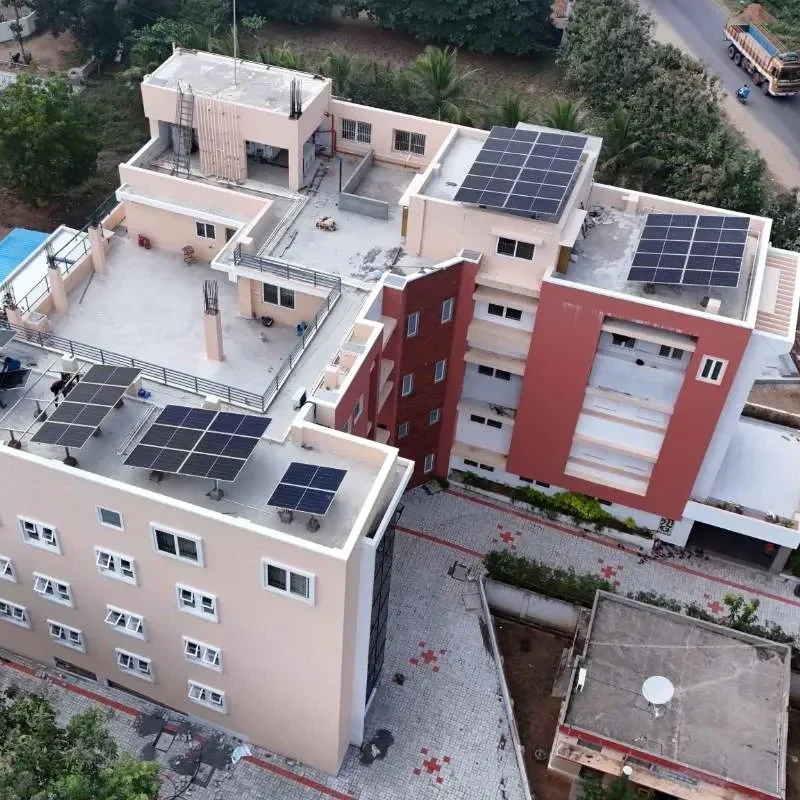
Not all panels automatically qualify for the solar panel subsidy. Key points:
• Subsidy is not brand-specific; only government-approved panels are eligible.
• Panels must be certified, new, and approved under current norms.
• Only the complete system panels, inverter, mounting structure, and installation qualifies for subsidy.
Even if you choose high-end panels, the solar panel subsidy applies only when the installation meets the approved guidelines. This ensures consistency in quality, safety, and energy output, allowing you to enjoy the benefits of solar energy without compromise.
Covered |
Not Covered |
|---|---|
|
Solar panels |
Batteries |
|
Inverter |
Premium add-onsHybrid solar systems with batteries |
|
Mounting structure |
Extra civil work beyond standard scope |
|
Installation & commissioning
|
|
|
Approved system capacity
|
|
The solar panel government scheme ensures that the essential components required for a fully functional rooftop solar plant subsidy are included. Homeowners do not have to worry about hidden costs for the core system, making budgeting and planning more predictable.
The exact solar installation subsidy varies depending on system size, property type, and prevailing policies at the time of approval. Subsidy amounts are always “up to” a defined limit, and the final value is confirmed only after inspection and verification.
While the subsidy reduces the upfront cost, installing solar panels for home still provides long-term financial benefits. Even without subsidy, solar energy reduces monthly electricity bills, improves energy independence, and increases property value.
Understanding the solar subsidy process is key to avoiding confusion and ensuring a smooth experience. Each step is designed to make the subsidy accessible while ensuring compliance with government standards.
Our team visits your home to evaluate roof suitability, sunlight exposure, structural stability, and available space. This step ensures your property qualifies for the subsidy for solar system and helps determine the optimal system size and layout for maximum efficiency.
Once the assessment is complete, the proposed solar system is reviewed to ensure it meets MNRE guidelines. Only approved configurations are eligible for the solar panel government scheme, which guarantees the system qualifies for financial support.
After system approval, we handle all necessary paperwork for the subsidy application. This includes submitting documents such as ownership proof, ID verification, and technical specifications of the system to the relevant authorities, reducing the administrative burden on you.
Certified technicians carry out the installation of your solar panels for residence. The process is carefully supervised to ensure adherence to safety standards, proper alignment, and quality workmanship. The installed system must meet the approved specifications for the subsidy to be released.
Government officials conduct an inspection to verify the quality, safety, and compliance of your installed system. This step is crucial for the release of the subsidy and ensures the system operates efficiently and reliably.
Once the inspection is successfully completed, the approved funds are credited directly to your account. This reduces the upfront cost of your solar panel installation government scheme and makes the investment more affordable.
Being aware of typical timelines, possible inspection delays, and documentation requirements helps homeowners plan effectively. Following this structured process ensures a hassle-free experience, giving you peace of mind while transitioning to solar energy.
-> Application filing and technical documentation
-> Coordination with authorities and follow-ups
-> Status updates until subsidy release
-> Provide ownership documents, ID proof, and other necessary paperwork
-> Allow scheduled inspections at the property
-> Approve installation timelines and access
This partnership approach ensures the solar panel installation government scheme process is efficient, transparent, and stress-free.
• “Subsidy is fake” – It is a verified government benefit released only after inspection.
• “Installer will take the subsidy” – Subsidy funds are credited directly to the homeowner.
• “Rules may change” – MNRE policies are updated periodically; transparency ensures you know current eligibility.
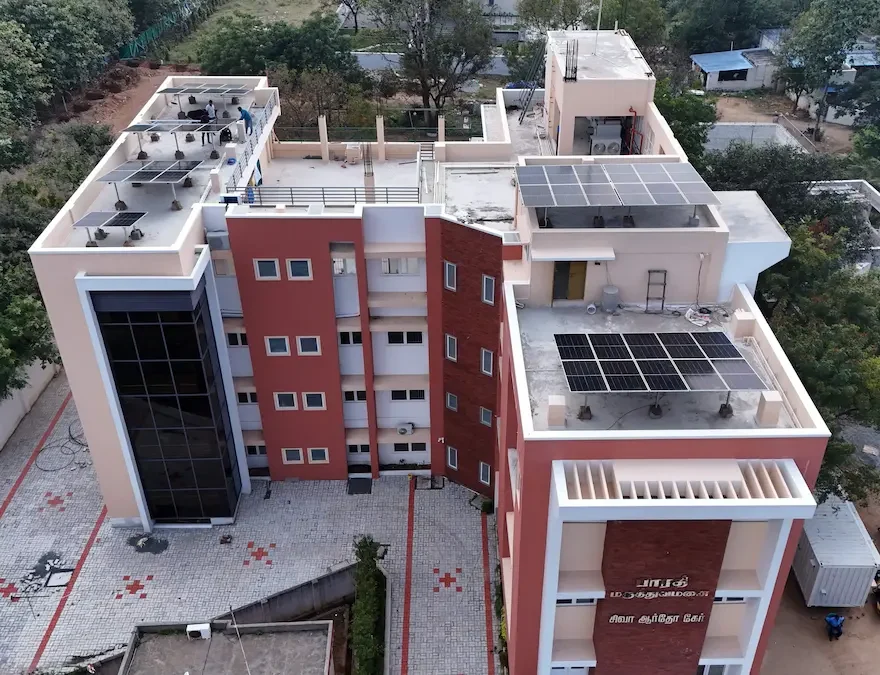
Apartment and villa common meters are eligible for subsidy. If the apartment or villa has a welfare association name, a subsidy of ₹18,000 per kilowatt is applicable.
Subsidy available up to ₹90 lakhs.
Apartment and villa common meters are eligible for subsidy. If the apartment or villa has a welfare association name, a subsidy of ₹18,000 per kilowatt is applicable.
Subsidy available up to ₹90 lakhs.
The government subsidy scheme for rooftop solar system is specifically designed to support residential households that install on-grid solar systems through approved processes. This ensures that only systems meeting safety, technical, and regulatory standards are eligible for financial support.
It is important to note that batteries, off-grid setups, or commercial solar systems do not qualify for this subsidy. Being aware of these boundaries helps you make informed decisions and avoid unnecessary confusion.
If you want to take advantage of the subsidy and reduce your upfront costs, contact Gemini Solariss today to check your eligibility. Our team will guide you through the verification process, answer your questions, and help you plan your rooftop solar installation efficiently. Start your journey toward affordable, clean, and sustainable energy with confidence.
Only individual homeowners with residential on-grid rooftop solar systems are eligible. Properties must be owner-occupied and connected to the electricity board.
No. The solar installation subsidy is available only for approved on-grid systems. Battery-supported or hybrid systems are not covered under the government scheme.
After inspection and verification by authorities, the subsidy is usually credited within a few weeks to a couple of months. Delays can occur due to inspection schedules or documentation issues, which is why planning ahead with experts like Gemini Solariss is recommended.

Empowering a sustainable future with top-notch solar solutions from consultation, site visit, excellent plan, exceptional installation and maintenance support, helping you save on energy costs while welcoming green energy.
2025 Gemini Solariss. All Rights Reserved.